When news of a federal government shutdown began circulating early in Mod 2, Madeira’s Co-Curriculum team found themselves facing an extraordinary challenge. Each year, Madeira juniors immerse themselves in Capitol Hill internships, an experience that places them inside the legislative process and helps them build confidence as young civic leaders. But this year, with the possibility of a full shutdown, the question quickly became: What happens when the doors to Congress close?
Navigating the Unknown
Shutdowns are notoriously unpredictable. Would it actually happen? How long would it last? Earlier federal shutdowns had minimal impact on Madeira because the Legislative branch remained funded, meaning interns could continue reporting to work. This time, however, the circumstances were entirely new within the Mod schedule.
The Co-Curriculum office remained in close contact with Hill partners and discovered just how varied shutdown rules can be. Some Senate offices allowed interns to continue; others did not. The House imposed strict parameters: no interns in offices during a funding lapse. Overnight, the team had to rethink how to deliver meaningful government learning without traditional access to the Hill.
Yet even in the face of uncertainty, the office saw opportunity.
Partnership and Goodwill on the Hill
Despite limitations, Madeira’s partner offices went out of their way to support students. Many welcomed juniors who stopped by simply to introduce themselves. Some offices connected students with staffers aligned with their issue areas to set up conversations and informational coffees.
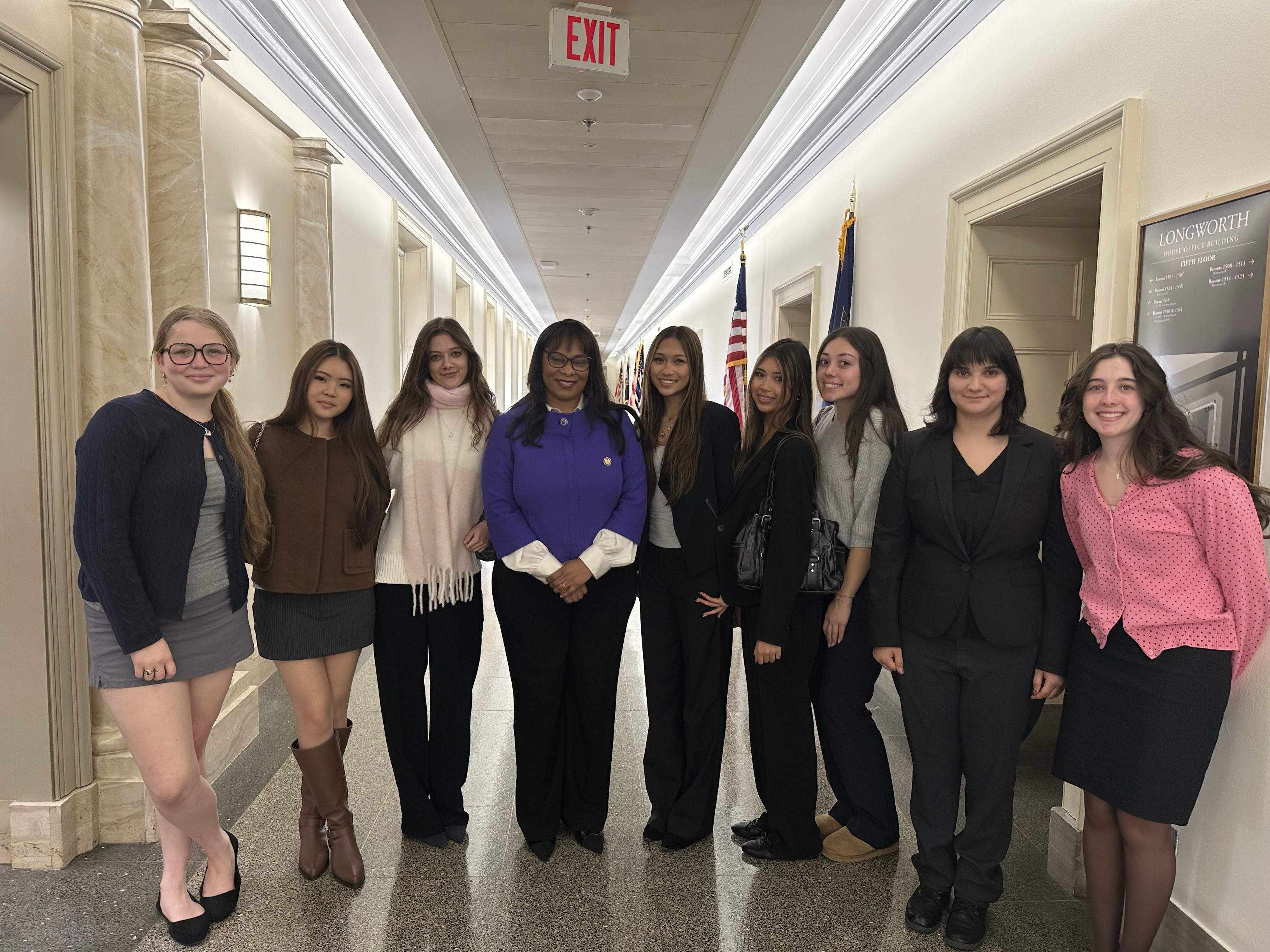
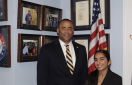
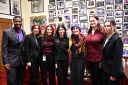
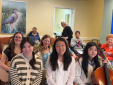
One office even brought a group of students to the House Financial Services Committee room and let them sit in the seats typically filled by members. And in a moment that became a favorite memory of the Mod, Congresswoman Janelle Bynum ’92, an alum and longtime supporter of Madeira, invited students into her office for an impromptu conversation.
These gestures underscored a powerful truth: even during disruptions, the Hill community remains deeply committed to Madeira students.
A Fast, Thoughtful Pivot
With limited access to Capitol Hill in the first week, the Co-Curriculum team moved quickly to create alternative programming. Rather than attempting to replicate the Hill internship experience, they focused on building opportunities that would deepen students’ understanding of how change is made in government and public policy.
Drawing on Madeira’s extraordinary parent, alum, and partner network, they organized a robust lineup of site visits, speakers, and hands-on learning experiences. Students visited:
- The National Restaurant Association
- The Virginia State Capitol
- Development Gateway
- World Wildlife Fund
- Holtzman Vogel Law Firm
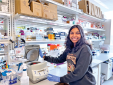
- GRAIL, an early cancer detection organization
- Amazon Web Services, where they participated in a panel discussion with women leaders in public policy
Students also heard from experts in ranked-choice voting, climate advocacy, government affairs, and policy development.
Meanwhile, the team ensured that students still spent meaningful time on Capitol Hill. About twice each week, juniors visited the Senate and House office buildings to:
- Attend Senate hearings
- Observe floor debate from the Senate Gallery
- Navigate the corridors of the Capitol complex
- Practice networking and professional communication
- Meet staffers in their issue areas
The shutdown also sparked student initiatives. Madison Montjoy ‘27 used the unexpected gap in her Hill schedule to launch The People’s Blueprint, a political blog she says she “never would have started” had she been in an office every day. The blog became a platform for her to research, reflect, and engage with the topics she is most passionate about.
Learning About Government from the Shutdown
Students walked away with a deeper, more nuanced understanding of the legislative process. They learned why and how shutdowns occur, what appropriations battles look like, how filibusters work, and how ambassadors and senior officials are confirmed. They witnessed real-time political negotiation, procedural delays, and the realities of governance during disruption.
But the most meaningful lessons extended beyond government.
“Our students didn’t just learn about government; they learned about themselves,” said Mr. Andrew Sharp, Director of Co-Curriculum. “They discovered how to navigate disappointment, how to be resilient, and how to maintain a positive outlook when circumstances change. Watching them find value in a difficult moment was one of the most powerful lessons of the module.”
In many ways, Mod 2 became a living curriculum in flexibility, self-direction, and personal agency.
Looking Ahead: A Stronger, Even More Adaptable Program
While the hope is that Congress will avoid future shutdowns, the Co-Curriculum team is already applying what they learned. Shutdown parameters can differ depending on leadership and administration, but this year demonstrated that with preparation, creativity, and the strength of the Madeira network, the program can pivot quickly and effectively.
“What we know now,” the team reflected, “is that we can plan ahead, we can adapt, and we can rely on our community; parents, alumnae, staff, and partners, who were invaluable during this time.”
Against a backdrop of national uncertainty, Madeira’s Co-Curriculum program modeled resilience and innovation. And the juniors, in turn, gained not just an understanding of government, but a deeper understanding of themselves as problem-solvers, citizens, and leaders.
#MadeiraCoCurriculum #MadeiraInternships #MadeiraCapitolHill #MadeiraTHRIVES #MadeiraInspires #MadeiraLeads #MadeiraGrade11



.jpg&command_2=resize&height_2=85 "Interning at the Intersection of Art and Finance: Campbell Hill ’25 in Nigeria")






.jpg&command_2=resize&height_2=85 "Madeira Student Gains Valuable Experience in Minority Whip’s Office on Capitol Hill")